admin
admin
Smart home renovations have become increasingly popular as technology advances, offering homeowners the ability to enhance their living spaces with convenience, efficiency, and modern aesthetics. Integrating smart devices into a home can transform ordinary rooms into dynamic environments that respond to residents’ needs instantly. One of the most impactful upgrades is installing smart lighting systems. These systems allow users to control brightness, color temperature, and even hues through voice commands or smartphone apps. Beyond simply turning lights on or off, smart lighting creates ambiance tailored to different activities such as reading, relaxing, or entertaining guests. Additionally, automated schedules and motion sensors contribute to energy savings by ensuring lights are used only when necessary.
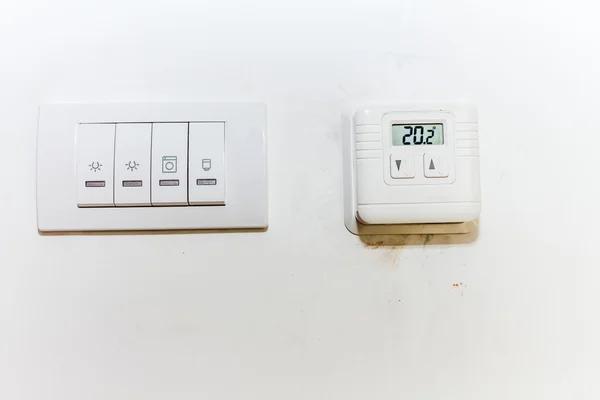
Another significant renovation involves upgrading thermostats to smart versions that learn user preferences over time and adjust heating or cooling accordingly. This not only improves comfort but also reduces utility bills by optimizing energy consumption based on occupancy patterns and weather forecasts. Smart thermostats can be controlled remotely, enabling homeowners to preheat or cool their homes before arrival or make adjustments while away for extended periods.
Incorporating smart security features is another way these renovations instantly elevate a home’s functionality and safety. Modern security cameras offer real-time video monitoring accessible via mobile devices from anywhere in find out the benefits world. Doorbell cameras provide two-way communication with visitors without needing to open the door physically. Smart locks add an extra layer of convenience by allowing keyless entry through passcodes or biometric recognition methods like fingerprints.
Kitchen spaces also benefit greatly from smart technology integration during renovations. Appliances such as refrigerators equipped with touchscreens can display calendars, recipes, and inventory lists while connecting seamlessly with other devices in the household ecosystem. Smart ovens enable precise cooking controls remotely managed through apps for better meal preparation efficiency.
Bathrooms are not left behind in this transformation; installing digital shower controls allows users to set exact water temperatures and flow rates before stepping inside for a customized experience every time.
Beyond individual device improvements, creating an interconnected system where all components communicate enhances usability significantly-this is often achieved through central hubs like voice assistants which unify control under one interface simplifying management across multiple devices simultaneously.
Overall, investing in smart home renovations offers immediate aesthetic appeal combined with practical benefits including improved comfort levels, increased energy efficiency, enhanced security measures, and greater convenience throughout daily routines.