admin
admin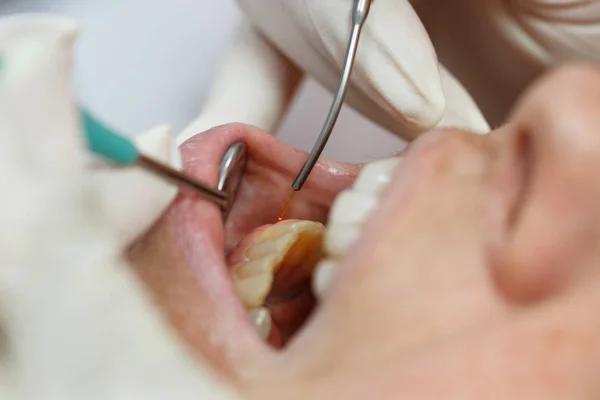
Laser dentistry has emerged as a transformative force in the realm of dental care, particularly in implant recovery and overall oral health maintenance. This innovative technology offers a host of benefits that enhance traditional methods, making procedures less invasive, more precise, and often more comfortable for patients.
One of the primary advantages of laser dentistry in implant recovery is its ability to accelerate healing. Traditional dental surgery can be invasive, leading to significant tissue trauma and extended recovery times. However, lasers minimize tissue damage by precisely targeting affected areas without harming surrounding tissues. This precision reduces inflammation and promotes faster healing by stimulating cell regeneration. As a result, patients experience less discomfort post-surgery and can return to their normal routines dive in for more quickly.
Moreover, lasers offer enhanced sterilization capabilities that are crucial during implant procedures. The high-energy beam emitted by dental lasers effectively kills bacteria at the surgical site, reducing the risk of infection—a common concern with implants. By ensuring a cleaner environment during surgery, lasers contribute significantly to successful implant integration and long-term stability.
Another critical role of laser dentistry is its contribution to periodontal health—an essential factor for successful implants. Healthy gums are vital for supporting dental implants; thus, maintaining periodontal health is paramount both before and after implantation. Laser therapy can treat gum disease effectively by removing infected tissue while preserving healthy structures around teeth or implants. Additionally, it helps decontaminate pockets between teeth and gums where bacteria thrive.
In terms of patient comfort—a key consideration in any medical procedure—laser dentistry stands out due to its minimally invasive nature which often eliminates the need for sutures or anesthesia traditionally associated with oral surgeries like those involving implants. Many patients report experiencing less pain during treatment compared with conventional methods because lasers cause minimal bleeding and swelling.
Furthermore, laser technology facilitates better outcomes through improved diagnostic capabilities such as detecting cavities earlier than traditional tools allow; this proactive approach enables dentists to address issues promptly before they escalate into more serious problems requiring extensive intervention later on—which could complicate implant success if left untreated over time.
Finally yet importantly: education plays an integral part alongside technological advancements within modern-day practices too! Dentists utilizing cutting-edge equipment must also stay informed about latest research findings related specifically towards optimizing usage thereof accordingly so ensure best possible results achieved consistently across board going forward thereby enhancing overall quality life enjoyed all involved parties alike ultimately speaking course!
In conclusion: incorporating laser techniques into daily practice not only enhances efficiency but ensures optimal care delivery throughout entire process from start finish whether dealing directly indirectly matters concerning either aspect mentioned above respectively indeed!