admin
admin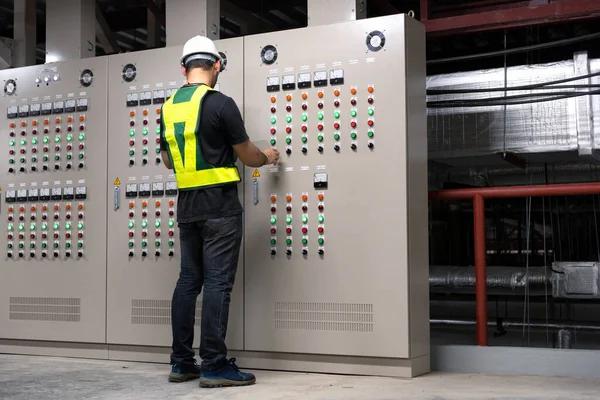
Managing commercial refrigeration costs effectively is essential for businesses that rely on cold storage to preserve products and maintain quality. One of the smartest ways to control expenses is by focusing on energy efficiency. Commercial refrigerators consume a significant amount of electricity, so investing in energy-efficient models can lead to substantial savings over time. Modern units often come with improved insulation, advanced compressors, and better temperature controls, all designed to reduce power consumption without compromising performance.
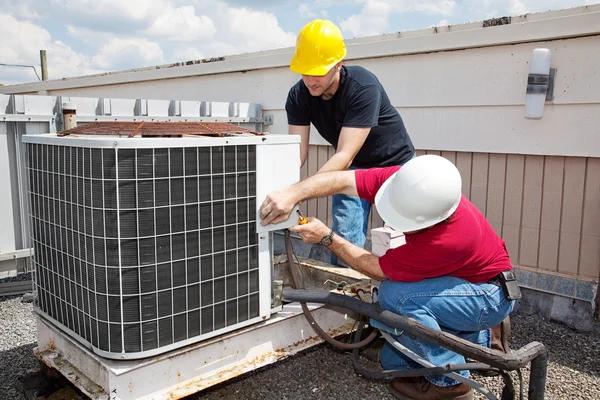
Regular maintenance also plays a critical role in managing refrigeration costs. Cleaning condenser coils, checking door seals, and ensuring proper refrigerant levels help the system operate at peak efficiency. Neglecting these tasks can cause the equipment to work harder than necessary, leading to increased energy use and higher utility bills. Scheduling routine inspections by qualified technicians allows early detection of potential issues before they escalate into costly repairs or replacements.
Another effective strategy involves optimizing temperature settings according to specific needs rather than defaulting to excessively low temperatures. Setting thermostats too cold wastes energy without providing additional benefits for most stored goods. Understanding the ideal range for different products ensures preservation while minimizing unnecessary power usage.
Implementing smart monitoring systems offers further advantages in cost management. These technologies provide real-time data on temperature fluctuations, compressor activity, and overall system health through remote access platforms or mobile applications. Early alerts about anomalies enable prompt corrective actions that prevent spoilage or damage while avoiding expensive emergency interventions.
Proper organization inside refrigeration units also contributes indirectly to cost reduction by improving airflow distribution and reducing strain on cooling mechanisms. Avoiding overcrowding allows air circulation around items so that cold air reaches every corner efficiently without forcing compressors into overdrive.
In addition, considering load scheduling during off-peak hours where possible can lower operational expenses since electricity rates tend to be cheaper outside peak demand periods. This approach requires coordination but results in noticeable financial benefits when implemented thoughtfully.
Finally, exploring alternative refrigeration technologies such as natural refrigerants with lower environmental impact may align with both sustainability goals and long-term cost savings due to regulatory incentives or reduced carbon taxes.
By combining these approaches-energy-efficient equipment selection, consistent maintenance routines, precise temperature management, smart monitoring tools, efficient storage practices, strategic load scheduling, and innovative technology adoption-businesses can significantly reduce their Commercial Refrigeration expenses while maintaining optimal product quality and compliance standards throughout their operations.