admin
admin
In recent years, Accessory Dwelling Units (ADUs) have gained significant popularity in Portland, OR, as a practical solution to urban housing challenges. These small yet functional living spaces offer homeowners the flexibility to accommodate family members, generate rental income, or simply maximize their property’s potential. As the demand for ADUs continues to rise, exploring smart design ideas becomes essential to ensure these units are both efficient and aesthetically pleasing.
One of the primary considerations in designing an ADU is optimizing space utilization. Given that most ADUs are compact by nature, every square foot counts. Open floor plans are a popular choice as they create a sense of spaciousness and allow explore this link for additional information multifunctional areas. Integrating built-in storage solutions such as under-stair drawers or wall-mounted shelves can significantly reduce clutter while maintaining an open feel.
Natural light plays a crucial role in enhancing the ambiance of any living space. Incorporating large windows or skylights can flood the interior with daylight, making it appear larger and more inviting. In Portland’s climate, where overcast days are common, maximizing natural light not only improves aesthetics but also contributes to energy efficiency by reducing reliance on artificial lighting.
Sustainability is another key aspect when considering smart design ideas for ADUs in Portland. Utilizing eco-friendly materials such as reclaimed wood or recycled steel not only reduces environmental impact but also adds unique character to the unit. Additionally, installing energy-efficient appliances and fixtures can lower utility costs and appeal to environmentally conscious tenants.
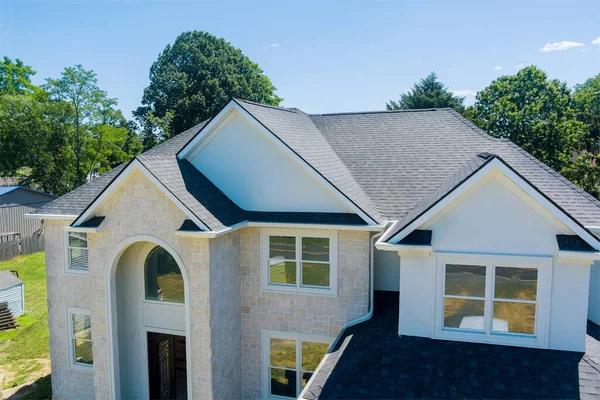
The exterior design of an ADU should harmonize with its surroundings while reflecting personal style preferences. Architectural elements like gabled roofs or modern minimalist facades can complement existing structures on the property while adding visual interest. Landscaping around the unit further enhances curb appeal; incorporating native plants can create a low-maintenance garden that thrives in Portland’s climate.
Another innovative approach involves integrating technology into ADU designs for enhanced convenience and security. Smart home systems allow residents to control lighting, temperature, and security features remotely via smartphones or voice-activated devices. This integration not only elevates comfort levels but also increases energy efficiency through automated systems that adjust settings based on occupancy patterns.
Finally, personalization remains at the heart of successful ADU projects in Portland. Whether it’s customizing interiors with vibrant color palettes or selecting unique furniture pieces that reflect individual tastes—personal touches make each unit distinctively inviting.
In conclusion, exploring smart design ideas for ADU projects in Portland requires balancing functionality with creativity while embracing sustainable practices and technological advancements—all aimed at creating harmonious living environments tailored to meet diverse needs within limited spaces.