admin
admin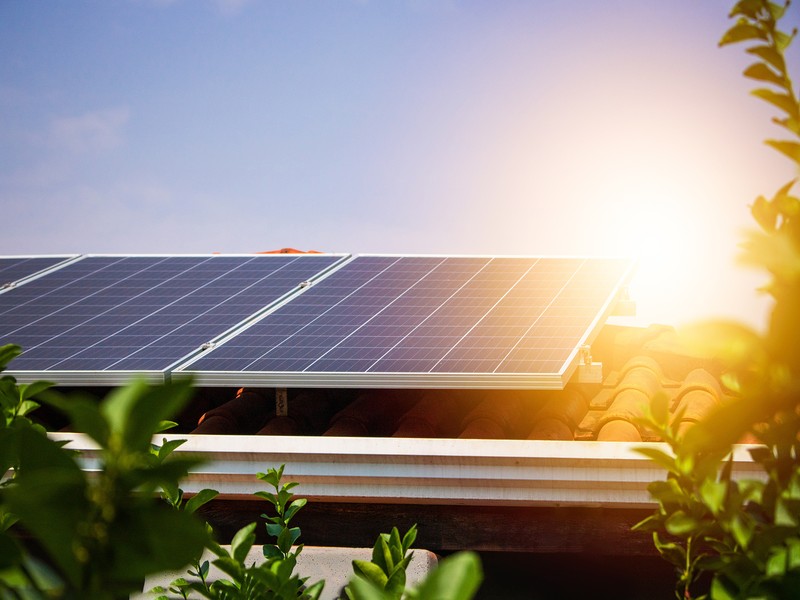
The cost of solar installation and maintenance projects involves several key components that contribute to the overall investment required for adopting solar energy. Understanding these costs helps homeowners, businesses, and organizations make informed decisions about transitioning to renewable power sources. The primary expense in a solar installation project is the purchase of solar panels themselves. These photovoltaic panels convert sunlight into electricity and vary in price depending on their efficiency, brand, and technology type. Generally, higher efficiency panels come at a premium but offer better performance over time.
In addition to the panels, the cost of inverters plays a crucial role. Inverters convert the direct current (DC) generated by solar panels into alternating current (AC), which is used by household appliances or fed back into the grid. String inverters are common for residential systems due to their affordability, while microinverters or power optimizers may be used for larger or more complex setups but increase initial costs.
Mounting hardware and racking systems constitute another portion of expenses as they secure the panels onto roofs or ground mounts safely and withstand environmental conditions such as wind and snow loads. Installation labor also adds significantly to total costs since skilled technicians must assess site conditions, install mens beach robe electrical wiring safely, configure system components properly, and ensure compliance with local regulations.
Permitting fees are often overlooked but essential; obtaining necessary permits from local authorities ensures that installations meet safety codes and zoning laws. These fees vary widely based on location but can add hundreds to thousands of dollars depending on jurisdiction complexity.
After installation, ongoing maintenance affects long-term financial planning for solar projects. Routine inspections help identify potential issues like dirt accumulation on panel surfaces or loose wiring connections that reduce system efficiency. Cleaning services might be required periodically especially in dusty environments where debris impedes light absorption.
System monitoring software sometimes comes bundled with installations or purchased separately; it enables real-time tracking of energy production so users can detect performance drops early on without manual checks. Maintenance contracts offered by providers cover repairs such as inverter replacements or damaged panel fixes when warranties expire.
Battery storage integration increases upfront costs substantially if users want backup power solutions during outages or wish to maximize self-consumption rather than exporting excess energy back to utilities under net metering policies.
Overall, while initial investments can appear substantial compared to traditional energy sources, decreasing equipment prices combined with incentives like tax credits improve affordability significantly over time. Proper budgeting that accounts not only for hardware procurement but also professional labor charges plus ongoing upkeep ensures sustainable operation throughout a system’s lifespan typically spanning 25 years or more without major component failures impacting returns on investment negatively.