admin
Pest infestations in residential properties are a widespread concern that can lead to significant discomfort, health risks, and property damage. Understanding the common causes of these infestations is crucial for homeowners looking to prevent unwanted guests and maintain a safe living environment. Various factors contribute to the presence of pests, ranging from structural vulnerabilities to environmental conditions.
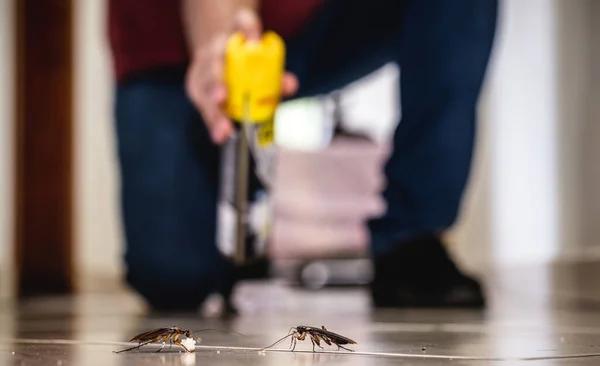
One of the primary causes of pest infestations is poor sanitation and hygiene within the home. When food crumbs, garbage, or clutter accumulate, they create an ideal environment for pests like cockroaches, ants, common causes of pest infestations and rodents to thrive. These creatures are attracted to readily available food sources and nesting materials, making unclean areas highly susceptible to infestations. Regular cleaning and proper waste disposal are essential to minimizing this risk.
Structural issues in a property also play a significant role in inviting pests indoors. Cracks in walls, gaps around windows and doors, and poorly sealed foundations provide easy entry points for insects and rodents. Additionally, damaged roofing or clogged gutters can cause moisture buildup, attracting pests such as termites, silverfish, and mosquitoes. Ensuring that the building is well-maintained and sealed can prevent many such infestations.
Environmental factors surrounding a residential property can influence the likelihood of pest problems as well. Homes located near wooded areas, water bodies, or dense vegetation often face higher chances of pest intrusion. These natural habitats serve as breeding grounds for various insects and rodents, which may migrate indoors seeking food and shelter. Landscaping practices, such as keeping plants trimmed and avoiding excessive moisture near the home, can reduce this risk.
Improper storage of food and household items is another common trigger for pest infestations. Leaving food exposed on countertops or storing grains and pet food in unsealed containers invites pests like ants, pantry moths, and rodents. Using airtight containers and regularly checking food storage areas can help prevent these issues from developing.
Another often overlooked cause is the presence of standing water and humidity inside and around the home. Pests such as mosquitoes and cockroaches are attracted to moist environments. Leaky pipes, damp basements, and poorly ventilated spaces create perfect breeding grounds for these pests. Addressing water leaks promptly and improving ventilation are key preventive measures.
In conclusion, pest infestations in residential properties are typically caused by a combination of poor sanitation, structural vulnerabilities, environmental factors, improper food storage, and moisture issues. Homeowners can significantly reduce the risk of infestations by maintaining cleanliness, sealing entry points, managing landscaping, storing food correctly, and controlling moisture. Early detection and proactive measures are essential to keeping homes pest-free and ensuring a healthy living space.