admin
admin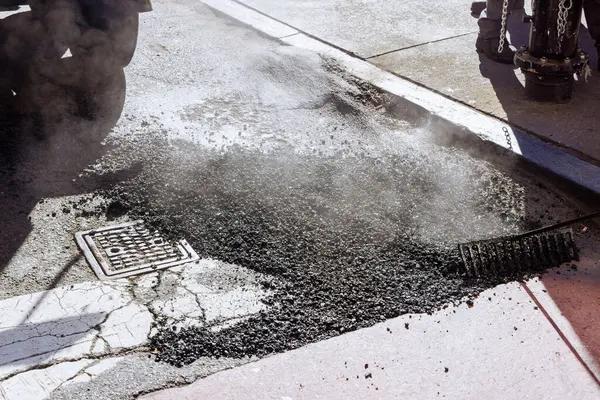
Selecting the appropriate asphalt surface repair method is essential for maintaining pavement durability and safety while optimizing costs. Different types of damage require specific approaches to ensure long-lasting results. Understanding the nature and extent of the problem is the first step in choosing the right repair technique. Common forms of asphalt deterioration include cracks, potholes, rutting, and surface wear. Each condition demands a tailored solution based on severity, location, usage patterns, and budget constraints.
For minor cracking caused by weathering or aging, crack sealing or filling often suffices. This process involves cleaning out debris from cracks and applying a sealant that prevents water infiltration and further expansion. Crack sealing is effective for narrow fissures less than half an inch wide where structural integrity remains largely intact. It slows down degradation by stopping moisture from reaching underlying layers but does not restore strength to severely damaged areas.
Paving services in Annapolis
When potholes develop due to repeated traffic stress or moisture damage beneath the surface, patching becomes necessary. Patching can be performed as either a temporary cold patch or a more permanent hot mix asphalt repair depending on urgency and resource availability. Cold patches are quick fixes suitable for emergency repairs but tend to be less durable under https://pavingsolid.com/ heavy loads or extreme temperatures. Hot mix patches require professional equipment to heat and compact new asphalt material into place, providing stronger resistance against future breakdowns.
In cases where extensive surface distress appears across large sections of pavement such as alligator cracking or widespread rutting, resurfacing may be required instead of isolated repairs. Resurfacing involves milling off a thin layer of existing asphalt before laying down new material over it to restore smoothness and functionality without full reconstruction costs. This approach extends pavement life significantly when damage affects more than 25 percent of the area.
Complete reconstruction should be reserved for situations with severe structural failure affecting base layers beneath the asphalt surface itself. Signs include deep cracking patterns extending through multiple layers or persistent sinking spots indicating subgrade instability that cannot be remedied by superficial treatments alone.
Environmental factors also influence method selection; colder climates might accelerate crack formation necessitating flexible sealants designed for freeze-thaw cycles while warmer regions benefit from materials resistant to softening under high temperatures.
Ultimately, consulting with experienced professionals who can assess site-specific conditions ensures optimal decision-making regarding repair strategies. Proper preparation such as cleaning surfaces thoroughly prior to application enhances adhesion and longevity regardless of chosen technique.
Choosing an appropriate repair method prolongs pavement lifespan while minimizing disruption costs associated with frequent maintenance cycles caused by improper treatment choices made initially.
Solid Paving & Concrete
2901 Riva Trace Pkwy #103, Annapolis, MD 21401
301-500-0309